top of page

7 Powerful Ways to Add the Golden Ratio to Your Garden Design

Explore how to apply the golden ratio in your garden design to create balanced and beautiful outdoor spaces that promote visual harmony. This simple mathematical principle has been used throughout history and can turn ordinary gardens into stunning places that are both pleasing to the eye and calming. 


Key Takeaways

- Understanding the golden ratio (approximately 1:1.6) can improve the layout and design of your garden.

- Use specific sizes and proportions to create a harmonious flow in plantings and garden features.

- Incorporating the golden ratio promotes visual harmony in gardens, allowing for engaging landscapes.

- Techniques like matching natural heights and maintaining proper pathway width can enhance your outdoor space.

- This careful approach makes the design process easier, ensuring a balanced outdoor space.


Core Golden Ratio Principles


The golden ratio is approximately 1:1.618, but to make it simpler for use in garden design, we can write it as 1:1.6. This age-old mathematical idea easily creates balanced outdoor spaces and brings a sense of visual harmony. You'll see this ratio throughout history—in nature and famous buildings like the Greek Parthenon and the Great Pyramids of Giza.


When you dive into golden ratio garden design, this ratio helps create engaging and attractive layouts. It’s not just about looks; the golden ratio matches natural shapes and sizes, which helps promote relaxation and beauty in your garden. By using these garden design principles, you can change regular gardens into beautiful garden spaces. These ideas mix well with simple garden design tips to turn regular areas into something truly special.


When you apply golden ratio techniques when designing your garden, you focus on aspects that naturally catch the eye, making sure your customers enjoy their surroundings. Think about using this principle to build a garden that isn’t merely there but is a visual expression of harmony, exceeding usual garden layout ideas. Whether you're focusing on a contemporary project or timeless design, the golden ratio plays a key role in enhancing garden beauty.


By using these principles, you can take your projects to the next level, ensuring your clients appreciate your skill in creating these balanced outdoor environments .


Using golden ratio theory in design

Practical Garden Applications of the Golden Ratio


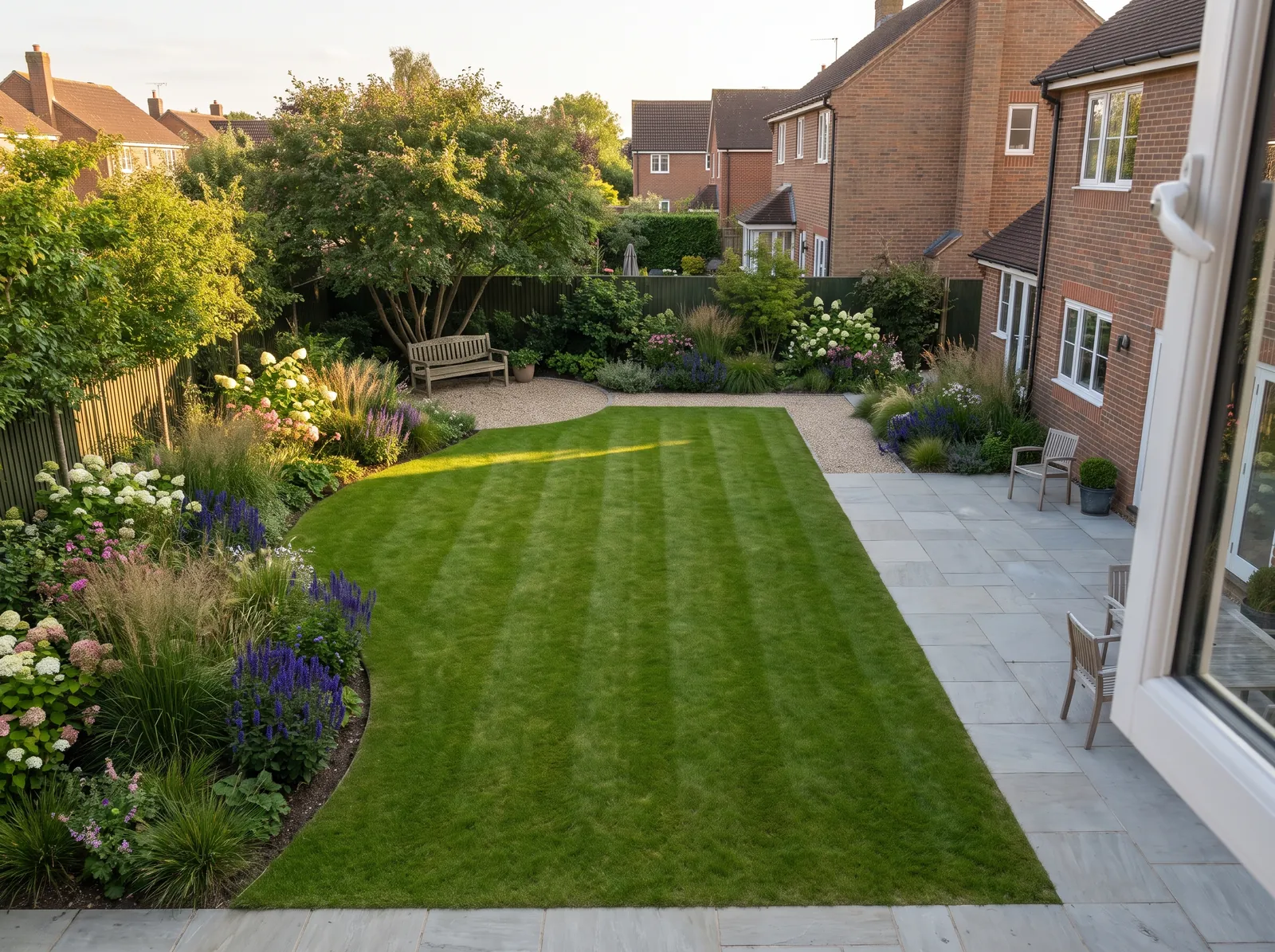
To apply the golden ratio in your garden design, start by focusing on rectangular features. Recommended dimensions for items like raised beds and seating areas are 5m x 8m. This ratio helps layout design by bringing a sense of order to your garden layout ideas.


It's important to maintain this ratio across garden plots, paving, and structural elements to create a pleasing result. Following these garden design principles creates beautiful garden spaces where everything feels well-balanced. By using these golden ratio techniques, you can improve your projects, making them not only functional but attractive as well. Whether you aim for a contemporary style or a classic look, these strategies will elevate your garden.


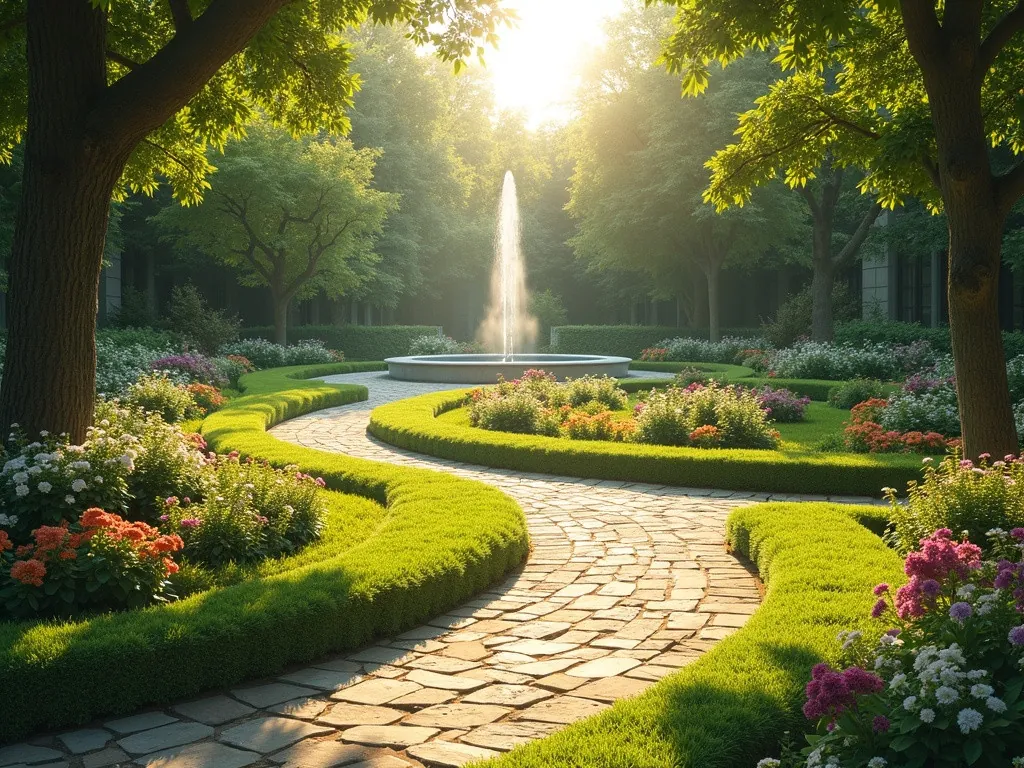
Garden path with curves reflecting the golden ratio, bordered by lush plants and leading to a central fountain.


Balanced Plant Groupings and Heights


Using the golden ratio in your garden helps achieve visual harmony in gardens. To create balance, consider these simple plant height combinations:


- A 6-foot tree with 4-foot shrubs will nicely frame your space.

- You can add 2.5-foot perennials below the taller plants for a layered look.


These height pairings naturally please the eye.


Effective plant groupings also mimic patterns found in nature. Here are recommended cluster sizes based on Fibonacci numbers:


- 3 plants

- 5 plants

- 8 plants

- 13 plants


Implementing these simple garden design tips helps create a balanced outdoor space that enhances the overall beauty of your garden.


How to balance planting in your garden

Pathway and Border Ratios


To create a pleasing garden with garden design principles, focus on optimal measurements for borders. The ideal depth for a planting border is 5 feet, which works well with plants around 3 feet tall. This pairing offers a balanced look that enhances the overall design.


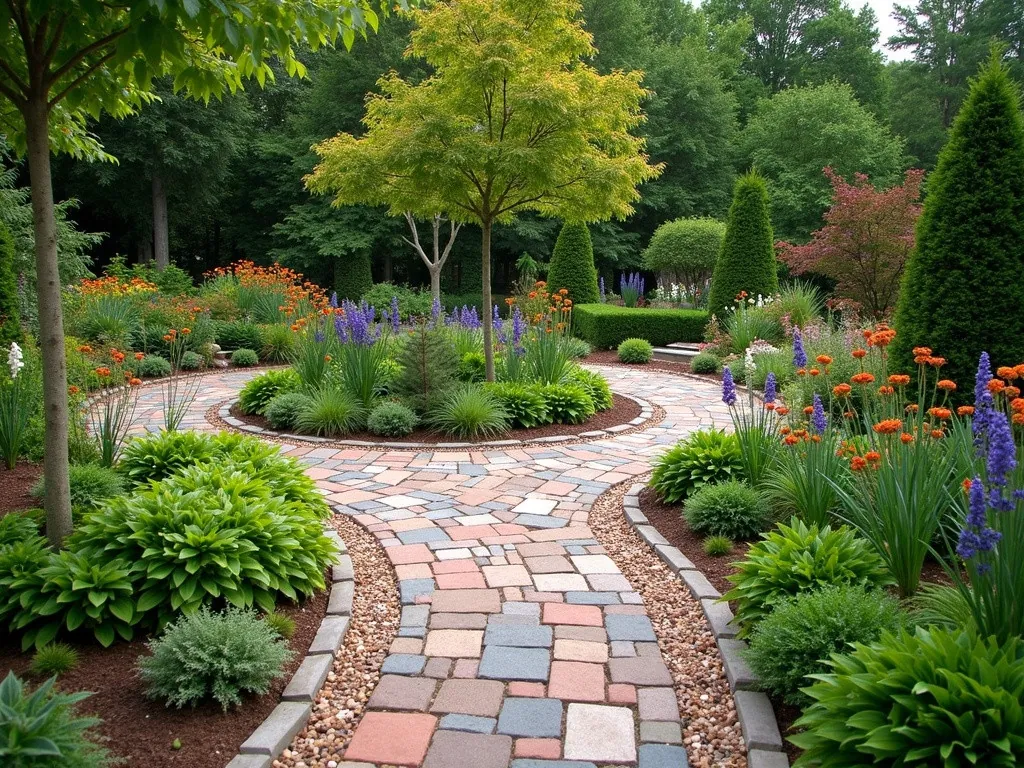
Design techniques also play a crucial role in integrating pathways. Here are some key strategies to consider: 


- Use golden ratio garden design to effectively frame your walking paths.

- Make sure the width allows two people to walk side by side, promoting comfort and accessibility.

- Keep the materials consistent with those in surrounding planting borders for harmony.


Golden Ratio Techniques for Beautiful Outdoor Spaces


Incorporating the golden ratio into your garden design can lead to stunning outdoor spaces. Contemporary garden ideas often use this principle to create layouts that are both visually appealing and harmonious. For example, consider designing pathways, flower beds, and seating areas where the proportions reflect the golden ratio, ensuring that each element works well together.


A great example is the beautiful Japanese gardens, renowned for their effective use of golden ratio principles. These gardens feature carefully placed rocks, water features, and plants, creating a sense of tranquillity and balance. They invite visitors to relax and enjoy, achieving visual harmony in gardens.


Tips for Balanced Garden Layouts Using the Golden Ratio


Applying the golden ratio in your garden design can create a harmonious and appealing space. Here are some tips to help you achieve this balance in your layouts:


1. Create Defined Areas: Use the golden ratio to organise different sections of your garden, such as separating flower beds from seating areas. For instance, a 5m x 8m rectangle for a seating area works effectively.


2. Incorporate Natural Heights: Pair taller plants with shorter ones maintaining the ratio of 1.6, which promotes a naturally attractive arrangement. An ideal combination might include a 6-foot tree with 4-foot shrubs and 2.5-foot perennials.


3. Apply Pathway Width: Ensure pathways also conform to golden ratio principles, allowing for easy movement and balance among adjacent garden elements.


Wrapping Up: Your Golden Ratio Garden Journey


By using the golden ratio in your garden design, you can create beautiful and harmonious outdoor spaces. Embrace these principles to change your garden into a peaceful retreat that brings joy to both the eyes and the senses.


bottom of page